
If you’ve landed on this page, chances are you typed “Crackstube” into a search bar wondering what it actually is. Maybe a friend mentioned it as a place to stream movies for free. Maybe you saw the name pop up next to “cracked software” or “free downloads” in a forum thread. Either way, you’re asking the right question before clicking anything — and that instinct is worth trusting.
This article breaks down what sites operating under names like Crackstube typically are, how they work behind the scenes, what risks they carry for everyday users, and what safer options exist instead. Our goal isn’t to shame anyone for being curious — it’s to give you a clear, honest picture so you can make an informed decision.
What Is Crackstube?
“Crackstube” is a name that fits a familiar pattern online: a combination of “crack” (referring to cracked, pirated, or unlicensed software) and “tube” (a nod to video-streaming platforms like YouTube). Sites with names built this way usually position themselves as free hubs for one or both of two things:
- Streaming or downloading movies, TV shows, and video content without the licensing agreements that legitimate platforms pay for.
- Distributing “cracked” versions of paid software — meaning copy-protection or licensing checks have been removed or bypassed so the program appears to run for free.
Names like this are common across a whole category of sites that pop up, get shut down, get cloned, and reappear under slightly different domains. That churn itself is a signal worth paying attention to: legitimate, sustainable businesses don’t usually need to reinvent their domain name every few months to stay online.
It’s also worth noting that domain names in this space sometimes change hands or get repurposed entirely. A domain that once hosted this kind of content can later be acquired and rebuilt into something completely different — a legitimate blog, a tech resource, or an educational site. If you’re checking a domain’s history before trusting it, look at what the site actually publishes today, not just what its name implies.
How Sites Like This Work
Understanding the mechanics helps explain why these platforms carry more risk than they appear to on the surface.
1. Content Aggregation, Not Creation
Sites in this category rarely produce their own content. Instead, they aggregate — pulling video files, streams, or software packages from various third-party sources and hosting them behind a simple search-and-play interface. This is why the same movie might appear on dozens of near-identical “free streaming” sites: they’re often sourcing from the same upstream pool of pirated files.
2. Ad-Supported Revenue Models
Since there’s no subscription fee, licensing revenue, or legitimate partnership backing these sites, they typically make money through advertising — and often through the more aggressive, less-regulated corners of the ad industry. This includes pop-unders, redirect ads, and sometimes ad networks that knowingly or unknowingly serve malicious payloads.
3. Cracked Software Distribution
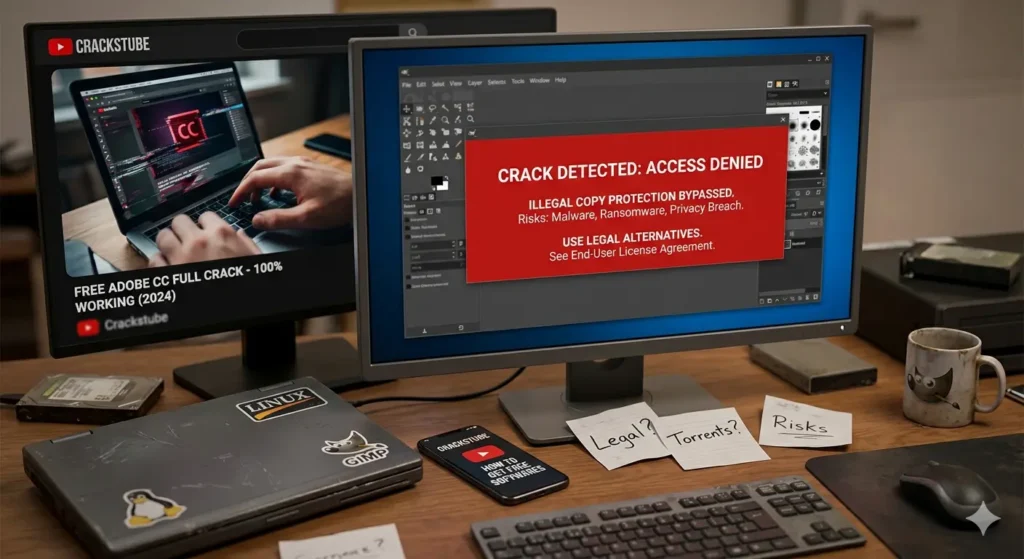
For the “crack” side of the equation, these sites usually host modified installer files where a program’s license-verification code has been patched, or they distribute standalone “keygen” tools that generate fake activation codes. Both practices are illegal under copyright and software licensing law in most countries, and both routes are a well-known vector for hiding malware.
4. Constant Domain Rotation
Because these sites frequently violate copyright law, they get hit with takedown notices, hosting bans, and search engine deindexing. To survive, many rotate domains, mirror their content across multiple URLs, or rebrand entirely. If you ever notice a site redirecting you through two or three different domains before the content loads, that’s this pattern in action.
Also Read: Drovenio Remote IT Jobs USA: Your Ultimate Guide to a US Remote Tech Job
Why People Are Drawn to Sites Like Crackstube
It’s worth being honest about the appeal, because pretending it doesn’t exist doesn’t help anyone make better decisions.
- Cost — Streaming subscriptions and software licenses add up, especially across multiple services.
- Convenience — One search bar promising “everything in one place” is appealing compared to juggling five different subscriptions.
- Access gaps — Some content simply isn’t available in certain regions through legal channels, pushing people toward unofficial sources.
- Trial curiosity — Wanting to test expensive software before committing to a purchase.
These are all understandable motivations. The issue isn’t the motivation — it’s that the method used to satisfy it carries costs that aren’t visible until something goes wrong.
The Real Risks of Using Crack and Piracy Sites
Malware and Security Threats
This is the single biggest practical risk, and it’s not exaggerated. Cracked software and pirate streaming sites are one of the most common malware distribution channels tracked by cybersecurity researchers. Here’s why:
- Fake players and codecs. Streaming sites often prompt you to “install a special player” or “update your codec” before video will play. These downloads are frequently malware disguised as media tools.
- Bundled malware in cracked installers. A cracked version of a paid program often comes packaged with additional, hidden software — keyloggers, adware, cryptocurrency miners, or remote-access trojans that give an attacker control of your device.
- Malicious advertising (malvertising). Even without downloading anything, ads on these sites can run scripts that attempt to exploit browser vulnerabilities, redirect you to phishing pages, or trigger unwanted downloads automatically.
- Disabled security warnings. Because cracking software involves bypassing built-in security checks, cracked programs often require you to disable your antivirus or firewall to “work properly” — which is exactly the kind of instruction a real security tool would never give you.
Legal Risk
Downloading or streaming copyrighted movies, shows, music, or software without authorization is illegal in most countries, and distributing cracked software violates both copyright law and the software’s license agreement. Enforcement varies by region and by how aggressively rights holders pursue individual users, but the legal exposure is real, not theoretical. In some jurisdictions, internet service providers monitor and report unauthorized downloading activity, which can lead to warning letters, throttled service, or in more serious repeated cases, fines.
Privacy and Data Risks
Legitimate platforms are bound by consumer protection laws, data privacy regulations, and public accountability. Anonymous piracy sites are not. This creates a few specific problems:
- No accountability if something goes wrong. If a fake streaming site harvests your browser data or IP address, there’s no customer support line to call and no regulator enforcing your rights.
- Aggressive tracking. Many of these sites are packed with third-party trackers that build detailed profiles of visitors for resale to shady ad networks.
- Fake payment and subscription traps. Some “free” sites eventually push a fake premium tier that collects payment details — details that go straight into a scam operation rather than any real service.
Financial Scams
Beyond fake subscriptions, some sites use “free trial” pop-ups that require a credit card for “verification,” only to quietly start recurring charges, or sell the card details outright. Because there’s no real company behind the site, disputing these charges is often much harder than with a legitimate merchant.
Quality and Reliability Problems
Even setting aside the risks above, the actual experience on these sites tends to be poor: broken streams, excessive pop-ups, incomplete files, outdated software versions riddled with bugs, and no customer support if something doesn’t work. What looks like a “free” deal often costs more time and frustration than it saves.
Also Read: Stay Updated Always TXEPC Smart System Guide
Why Google and Browsers Actively Block These Sites
If you’ve noticed piracy and crack sites disappearing from search results or triggering browser warnings, that’s not an accident. Search engines and browser vendors have strong policies against indexing or promoting sites that:
- Facilitate copyright infringement
- Distribute malware, even indirectly through ads
- Use deceptive practices like fake download buttons or misleading redirects
Google in particular runs continuous safe browsing checks and responds to DMCA takedown requests at scale. A domain that repeatedly hosts pirated or cracked content is at constant risk of being deindexed, flagged as unsafe, or blocklisted by antivirus software and browser warning systems. This is also why so many of these sites look identical from one clone to the next — when one domain gets shut down, the operators simply spin up a copy elsewhere.
If you want read more article visit The Crackstube
Safer Alternatives Worth Considering
The good news is that the legitimate landscape has grown a lot more affordable and flexible in recent years.
For Streaming
- Free, ad-supported legal platforms now offer a genuinely large catalog of movies and shows at no cost, funded by ads instead of subscriptions.
- Library streaming services — many public libraries offer free access to streaming platforms with a valid library card.
- Rotating free trials across major platforms, used deliberately, can cover a lot of content without ongoing cost.
- Bundled subscriptions often work out cheaper than several individual ones if you genuinely watch across multiple platforms.
For Software
- Open-source alternatives exist for most major paid software categories — image editing, office suites, video editing, and more — and are free, legal, and actively maintained.
- Official free tiers. Many premium software companies offer a genuinely usable free version with fewer features rather than a locked trial.
- Student, nonprofit, and creator discounts — a huge number of paid tools offer steep discounts or free licenses for students, educators, and nonprofits that many people simply don’t know to ask for.
- Official trial periods are a legitimate way to test software before buying, without the malware risk of a cracked installer.
If You’ve Already Visited a Site Like This
If you’ve clicked around on piracy or crack sites in the past, there’s no need to panic — but a quick check-up is a smart, low-effort precaution:
- Run a full antivirus scan using a reputable, up-to-date security tool.
- Check installed programs for anything you don’t recognize, especially browser extensions or “helper” tools.
- Change passwords for sensitive accounts if you downloaded and ran any cracked software, since keyloggers are a common payload.
- Review your browser’s extensions and homepage settings — malicious redirects often hijack these silently.
- Monitor your bank and card statements for a few weeks if you entered payment details anywhere on one of these sites.
None of this requires expert-level tech skills — most modern security software will walk you through the process.
The Bottom Line
Names like “Crackstube” describe a well-established category of sites: free streaming and cracked-software hubs that survive on ad revenue, aggregated content, and constant domain-hopping to dodge takedowns. The appeal is obvious — free access to expensive content — but the hidden costs are just as real: malware exposure, legal risk, privacy erosion, and a genuinely poor user experience once you factor in broken streams and intrusive ads.
The safer path isn’t necessarily more expensive. Between free ad-supported streaming, library access, open-source software, and official free tiers, there’s more legitimate free and low-cost content available today than there has ever been. Before clicking that next “watch now” or “download crack” button, it’s worth asking whether the few dollars or minutes saved are really worth the risk sitting behind it.
This article is intended for general informational purposes and does not constitute legal advice. Laws around copyright infringement and software licensing vary by country — if you have specific legal questions, consult a qualified professional in your jurisdiction.
Also read: Why Smart Parking Systems Are Becoming Essential for Commercial Properties?